


-

Fungi
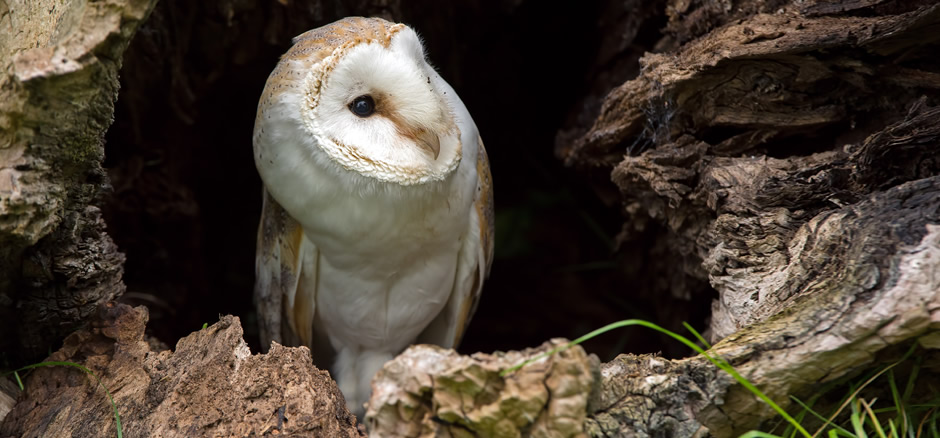
In recent years there has been a dramatic change in the way we look at relationships between fungi and trees. In particular, the hollowing of ancient trees by fungal decay, previously seen as detrimental, is now recognised as a natural part of the ageing process, which can even prolong the lives of trees. Fungi are also essential to much of the wider wildlife values of trees. Read more >>
-
Invertebrates
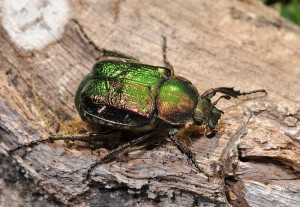
There are more than 2000 different invertebrate species in Britain which are dependent on decaying wood in order to complete their life cycles. This represents about 7% of the entire invertebrate fauna – wood-decay is a major resource! Read more >>
-
Epiphytes
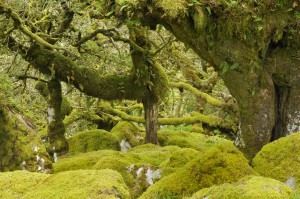
Well-lit surfaces of bare wood and of bark provide suitable surfaces for the growth of specialist plants and micro-organisms – mosses, liverworts, lichens, algae and micro-fungi called epiphytic (‘on the plant’) species. Read more >>
-
Birds
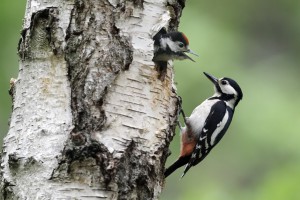
Veteran trees provide birds with more essential resources than other trees. These include food sources, in the form of invertebrates associated with decaying wood or bark, together with tree cavities, which can serve as nest sites for a wide range of birds. Read more >>
-
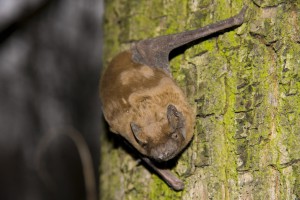
Mammals
Tree cavities provide very important roost sites for bats and a high proportion of our local bats are dependent on them – from the commoner noctule (in Britain) and Leisler's bat (in Ireland) right through to our rarer old forest bats, barbastelle and Bechstein's. Read more >>
-
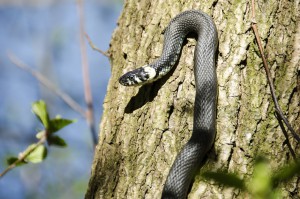
Amphibians & reptiles
Amphibians including the protected great crested newt are known to use old trees and decaying wood as places of shelter. Grass snakes also hide, hibernate and lay eggs in hollow and decaying ancient trees. Read more >>
-
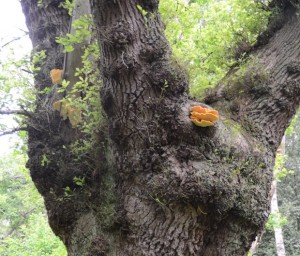
Where to find wildlife-rich places
The sites which appear to have the richest assemblages of rare and threatened fungi are more or less the same sites that are known to be richest in wood decay invertebrates and epiphytic lichens. Read more >>
Related Content / See also:
-

The special wildlife of trees
This guide is intended to inspire all those who own or look after ancient and veteran trees, and the valuable and often unseen wildlife they support.
